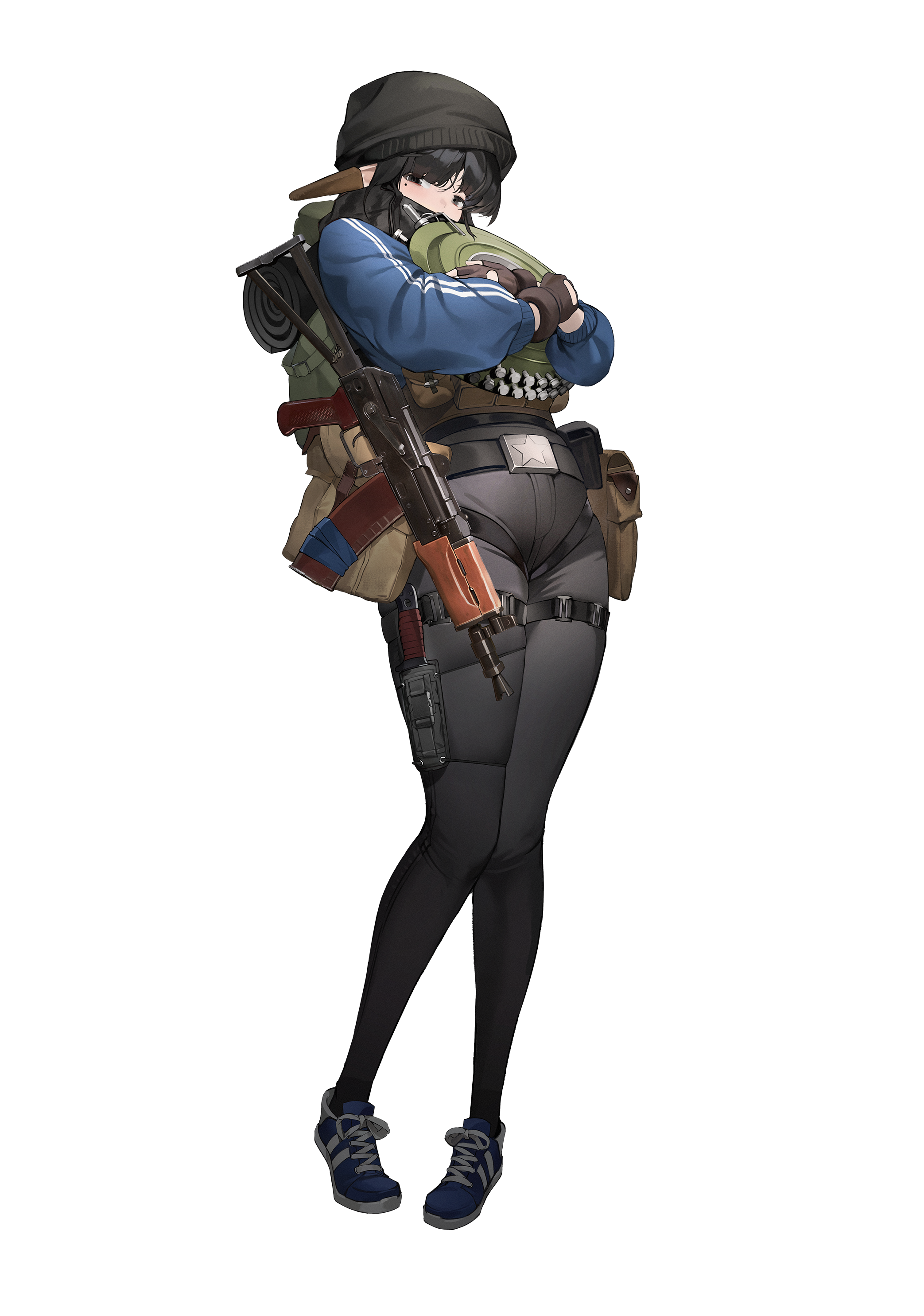
Personal History
Duduhana, born in the same year as Princess Vanalletta, is a part-time Militia in the resistance. While she occasionally takes part in battles against Mazdak, she spends most of her time helping to run the family general store, handling various farm chores, and clearing the obstacles and landmines planted by Mazdak and other warlords on nearby roads to ensure outsiders can enter the valley without hindrance.
Duduhana primarily channels her EGO power into enhancing her arm strength, an act that, by traditional Circassian standards, represents a misuse of sacred power for menial tasks. However, Duduhana believes that if it yields practical results and helps her family and community, there is nothing undignified about using EGO for such work. Gifted with capable hands, she excels at farm labor and clearing paths; she can not only disarm landmines but also repurpose the haphazardly buried mines left by warlords into hand-thrown explosives. While small anti-personnel mines are more common, Duduhana prefers the devastating power of anti-tank mines.
It is said that in the distant past, when the Hatuk Valley teemed with lush pastures and abundant water, vast, unbroken stretches of royal vineyards and orchards covered the landscape. The annual harvest of fruit and wine not only supplied the royal residences but was also transported by pack trains to distant markets; today, however, such scenes exist only in legend. Due to climate change and a dwindling population, ancient irrigation systems fell into disrepair, and much of the valley’s land went to waste. The few remaining fertile flats and slopes have been subdivided by farming households into a patchwork of small plots. A relatively prosperous family with ample manpower might cultivate a few acres of grain on the flatlands, plant hundreds of grapevines on the slopes, and tend to pomegranate trees by their home and walnut trees beneath their watchtower, a lifestyle that counts as a rare form of modest affluence in these times.
Duduhana was born into just such a family. To make matters even better, her skillful hands ensured the family’s walnut and pomegranate trees thrived, while the grapevines grew with exceptional vigor. Her family’s homemade wine was particularly renowned; though it bore no brand name or label, it was hailed throughout the Hatuk Valley as the finest vintage available, with neighbors eager to trade their own surplus produce for a single glass. Consequently, Duduhana’s family always had enough of a surplus to engage in trade, selling various sundries. Merchants would occasionally purchase wine from her, bringing in rare goods from outside the valley in return, such as durable clothing and boots, rust-proof knives, and belt buckles.
While Vanalletta and the other militia members sang and danced, the composed and reserved Duduhana rarely joined in. Yet, this never stopped the grinning Vanalletta from wheedling her way into "buying on credit" delicious, handmade "Ice-and-Fire" candies and walnut paste, as well as the finest home-brewed spirits in the Hatuk Valley. Vanalletta had been a shameless glutton for as long as Duduhana could remember; the princess’s debts often topped the list on the general store’s chalkboard, though she always managed to settle them eventually, unlike the rowdy soldiers under Mazdak who frequently helped themselves for free. Consequently, despite her lack of outward enthusiasm, Duduhana supported the legitimate heir to the Hatuk throne and hoped for the success of her cause.
| Duduhana | ★★★ |
| [ BASIC FILE ] | |
| Codename | KMA |
| Race | Circassian |
| Occupation | Farmer |
| EGO Strength | Weak |
| Nationality | Zarab |
| Class | Scout |
| Affiliation | Zarab Militia |
| [ BASIC ATTRIBUTES ] | |||
| Health | [missing] | Defense | [missing] |
| Movement Speed | [missing] | Armor Value | [missing] |
| Moral Value | 1000 | Mobile Shooting | Yes |
| Hit Projection | [missing] | ||
| [ GUN ATTRIBUTES ] | |||
|
|
|||
| Weapon Type | Assault Rifle [AKS-74U] | ||
| Damage | [missing] | Ammo Capacity | 30 |
| Attack Range | 3 | Proficiency | [missing]% |
| Morale Damage | [missing] | Armor Penetration | [missing] |
| Critical Hit Rate | [missing]% | Reload Time | [missing]s |
| Fire Rate | [missing] | ||
| Damage Reduction | 85|74|68 | ||
| [BASE] | [AFFECTION SKIN] |